

Quick answer
Tenerife whale watching best time spans the entire calendar, with short-finned pilot whales present year-round and sighting rates above 90 percent. November through March brings migrating fin whales and occasional blue whales alongside the resident population. Morning departures between 08:00 and 10:00 offer the calmest sea conditions and highest visibility, improving both comfort and sighting quality regardless of season.
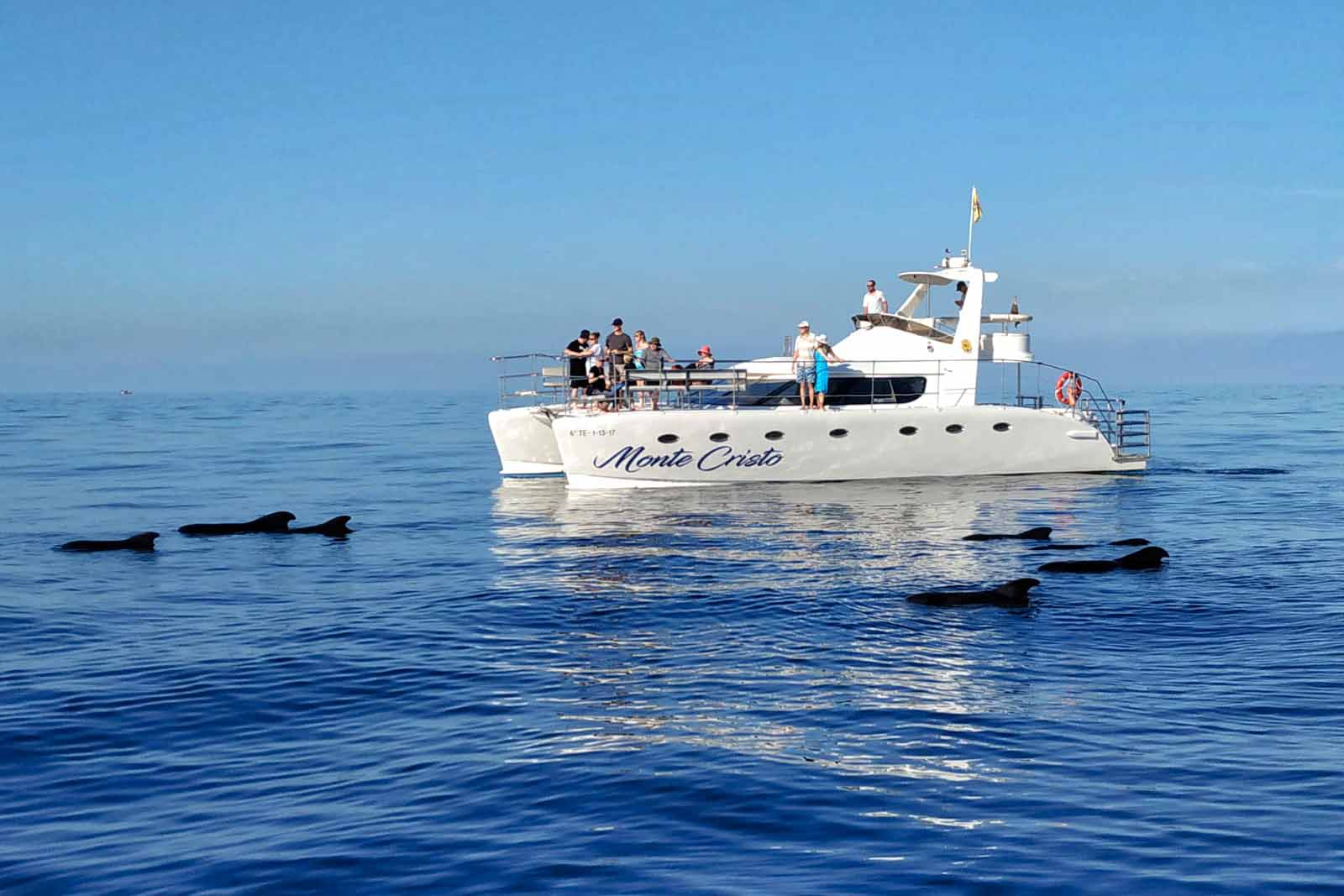
Short-finned pilot whales remain in the channel between Tenerife and La Gomera throughout the year, making this one of the few European locations with guaranteed cetacean encounters in any season. The resident pod numbers approximately 250 individuals, and operators report sighting success rates exceeding 90 percent on calm-weather days. This reliability shifts the question from whether you will see whales to which species you might encounter beyond the pilot whale baseline. Winter months deliver the widest species variety. Fin whales migrate through the Canary Island corridor from November to March, their 20-meter frames visible from considerable distances when they surface to breathe. Blue whales appear sporadically during the same window, though sightings remain uncommon. Bottlenose dolphins and Atlantic spotted dolphins frequent the area year-round, but their surface activity peaks in spring and early summer when water temperatures rise and baitfish schools concentrate near the coast. Rough-toothed dolphins and Bryde's whales round out the occasional sighting list, both favoring the deeper water beyond the pilot whale zone. Sea state determines sighting quality more directly than season. Morning departures capitalize on the diurnal wind pattern that affects Tenerife's southwest coast. Offshore breezes typically remain light until mid-morning, and the Atlantic swell diminishes overnight, leaving a brief window of flat water before trade winds strengthen after 11:00. Operators schedule most tours between 08:00 and 13:00, but the earliest slots provide the smoothest ride and the clearest underwater visibility for observing submerged whales. Afternoon conditions grow progressively choppier, and late-day departures risk shortened trips if wind thresholds are exceeded. Choosing your timing involves balancing species diversity against sea conditions. A December morning tour offers the best statistical chance of encountering both resident and migratory species in calm water. July and August guarantee warm weather and long daylight but bring stronger afternoon winds and a narrower species list. Spring and autumn split the difference, delivering moderate conditions and occasional migratory visitors without winter's swell or summer's heat.
“The resident pilot whale pod numbers approximately 250 individuals, delivering sighting success rates exceeding 90 percent on calm-weather days.”
Tenerife Whale Watching Best Time: Seasonal and Daily Insights
Whale watching in Tenerife is possible year-round, but early morning hours provide the calmest sea conditions for optimal sightings. Resident populations of pilot whales and dolphins ensure consistent activity across all seasons.
Spring (March–May)
Moderate20°C–24°C; calm seas frequently.
Migratory species often pass through during this period alongside resident pilot whales.
Summer (June–August)
High25°C–28°C; stable, sunny conditions.
Water visibility is high, though boat traffic increases during these months.
Autumn (September–November)
Moderate23°C–26°C; pleasant sea conditions.
Sea temperatures remain warm, making it a comfortable time for observation.
Weekday mornings
Low—
Departing between 08:00–10:00 minimizes crowd density and maximizes the likelihood of calm water before afternoon winds pick up.
Verdict: The best opportunity for sighting activity occurs on weekday mornings during April or October when sea conditions are typically calm.
Operating Hours for Tenerife Whale Watching Tours
The whale watching port facilities in Costa Adeje operate daily throughout the week to support scheduled tour departures. Visitors may access the marina area during these consistent hours.
| Monday | 08:00–18:00 | |
|---|---|---|
| Tuesday | 08:00–18:00 | |
| Wednesday | 08:00–18:00 | |
| Thursday | 08:00–18:00 | |
| Friday | 08:00–18:00 | |
| Saturday | 08:00–18:00 | |
| Sunday | 08:00–18:00 |
Getting to Puerto Colón for Tenerife Whale Watching
Whale watching excursions depart from Puerto Colón Marina, located in Costa Adeje. The most direct approach is via the TF-1 motorway or local bus routes serving the Adeje coastline.
Titsa lines 467 or 471 to Puerto Colón stop
TF-1 motorway, exit 73 toward Costa Adeje
Direct transfer to Puerto Colón Marina
Tenerife Whale Watching Best Time and Pricing Structure
Entry to the Puerto Colón Marina port area is free of charge for all visitors. The costs associated with whale and dolphin watching are determined independently by individual tour operators.
Individual tour prices vary based on the operator, vessel type, and duration of the excursion.
Checklist for Your Tenerife Whale Watching Trip
Prepare these items and complete these steps before your whale watching departure from Puerto Colón Marina.
-
Book your tour in advance — Operators fill slots quickly during peak season and summer months.
-
Check sea-condition forecasts — Rough seas reduce comfort and wildlife visibility, especially in winter.
-
Bring sun protection and layers — Morning departures start cool; midday sun on open water is intense.
-
Confirm departure time with operator — Individual companies set staggered schedules within the 08:00–18:00 port window.
-
Arrive 15–30 minutes early — Allows time for check-in, safety briefing, and boarding at Puerto Colón.
-
Carry motion-sickness remedies if prone — Swells beyond the harbor can affect sensitive passengers.
-
Have your booking confirmation ready — Digital or printed proof expedites check-in at the marina.
Check availability
Frequently Asked Questions About Tenerife Whale Watching Best Time
Everything you need to know about tenerife whale watching best time