

Quick answer
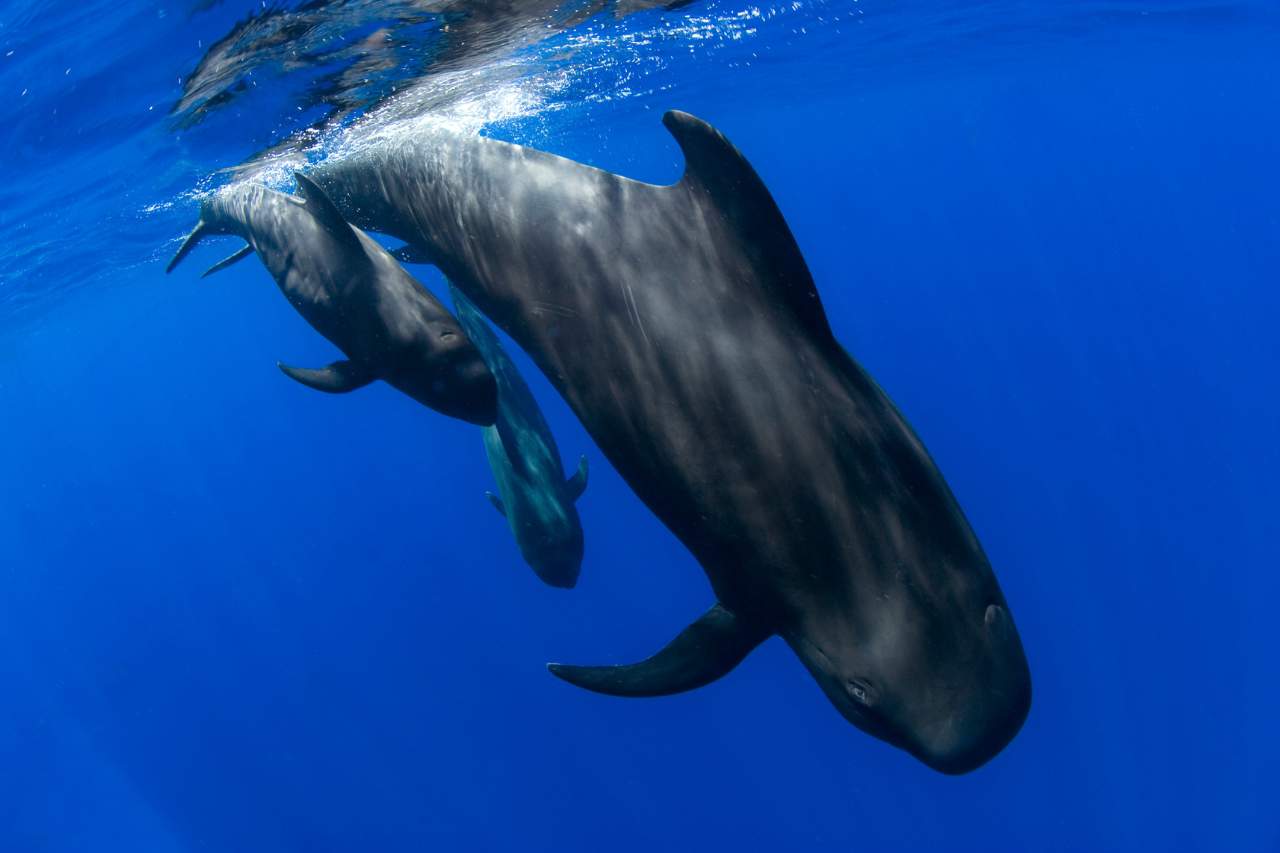
The tenerife whale watching season operates year-round because a resident population of over 250 short-finned pilot whales inhabits the channel between Tenerife and La Gomera permanently. Tour operators report sightings on more than 90 percent of departures throughout the calendar, though November through February brings higher activity as calves are born and larger pods gather in the coastal shelf waters off Costa Adeje.
A resident pod of short-finned pilot whales has remained in the Teno-Rasca marine corridor year-round since formal monitoring began in 1991, making Tenerife one of twelve global sites where cetaceans can be observed reliably in every season. The channel between Tenerife and La Gomera maintains water temperatures between 18°C and 24°C across the year, a thermal stability that supports the squid and small fish species the whales depend on. Operators departing from Puerto Colón record sightings on 92 percent of trips annually, a consistency unmatched in seasonal migration destinations where whales pass through narrow windows. The tenerife whale watching season shows behavioral variation rather than presence gaps. November through February marks the calving period when female pilot whales move closer to shore and form protective nursery pods, often observed within two nautical miles of the coast. March through May sees increased surface activity as water clarity improves and juveniles practice hunting techniques in the upper water column. June through October brings warmer Atlantic currents that push squid populations deeper, so pods spend longer periods submerged between surfacing intervals, though encounter rates remain statistically stable. Bottlenose dolphins, Atlantic spotted dolphins, and Risso's dolphins add seasonal complexity. Bottlenose dolphins inhabit the same coastal waters year-round and frequently travel alongside pilot whale pods. Spotted dolphins appear more reliably from spring through autumn when surface temperatures exceed 21°C, while Risso's dolphins favor the winter months when colder upwellings bring cephalopods into shallower feeding zones. Mixed-species encounters occur most frequently in April and November when thermal transition periods overlap multiple species' activity peaks. Operators in Costa Adeje conduct two-hour excursions daily from 08:00 to 18:00, with hydrophone monitoring and experienced marine biologists aboard to interpret behavior. The standard adult fare for a guided group tour is 60 EUR. The consistency of whale and dolphin watching in Tenerife reflects geography rather than luck: the volcanic shelf creates a permanent feeding ground, and the resident populations have adapted their life cycles to a stable marine environment rather than following migratory food sources across ocean basins.
“The channel between Tenerife and La Gomera maintains water temperatures between 18°C and 24°C across the year, a thermal stability that supports the squid and small fish species the whales depend on.”
Understanding the Tenerife Whale Watching Season
Tenerife offers consistent whale and dolphin sightings throughout the year due to the resident population. Planning your excursion between the morning and early afternoon provides the most favorable light conditions for observing marine life.
Year-round
Consistent activity levelsMild temperatures 18°C–25°C
Resident pilot whales and bottlenose dolphins remain present in local waters during all seasons. Marine activity does not fluctuate significantly based on the calendar month.
Spring (March–May)
Moderate visitor numbersPleasant 20°C–23°C
Calm sea conditions often occur during these months. This period provides stable visibility for spotting pods offshore.
Autumn (September–November)
Lower visitor volumeWarm 22°C–26°C
Sea temperatures remain comfortable and boat traffic is generally lower than in peak summer. This season offers a balance of accessibility and calm waters.
Verdict: Choose a weekday morning between 09:15 and 14:15 during the spring or autumn months for optimal light and manageable crowd levels.
Daily Operational Schedule for Tenerife Whale Watching Season
The whale watching operations maintain a consistent daily schedule to accommodate visitors throughout the season. These hours allow for flexible departure planning to align with your coastal activities.
| Monday | 08:00–18:00 | |
|---|---|---|
| Tuesday | 08:00–18:00 | |
| Wednesday | 08:00–18:00 | |
| Thursday | 08:00–18:00 | |
| Friday | 08:00–18:00 | |
| Saturday | 08:00–18:00 | |
| Sunday | 08:00–18:00 |
How to Arrive for Your Tenerife Whale Watching Season Excursion
The excursion departs from Puerto Deportivo de Puerto Colón, located in Costa Adeje. The marina is accessible via major road networks and local public transit.
TF-1 motorway, exit 73 towards Costa Adeje
Line 467 to Puerto Colón stop
Direct to Puerto Deportivo de Puerto Colón, Dock 3
Preparation Tips for Tenerife Whale Watching Season
A few practical steps will help you make the most of your time on the water.
-
Book your tour in advance — Tours fill quickly during peak months, especially morning departures.
-
Bring sun protection and a hat — Direct sun exposure is strong on the Atlantic, even on overcast days.
-
Wear non-slip, closed-toe shoes — Decks can be wet and uneven during the voyage.
-
Pack a light waterproof jacket — Sea spray is common, particularly when the boat picks up speed.
-
Charge your camera or phone fully — Cetacean encounters happen quickly and lighting conditions change often.
-
Take motion sickness medication if needed — Swells can be moderate; take tablets 30–60 minutes before departure.
-
Arrive 15 minutes before departure time — Check-in and safety briefings begin promptly at the dock.
Check availability
Common questions about the Tenerife whale watching season
Everything you need to know about tenerife whale watching season